Blog Post Archives
Featured
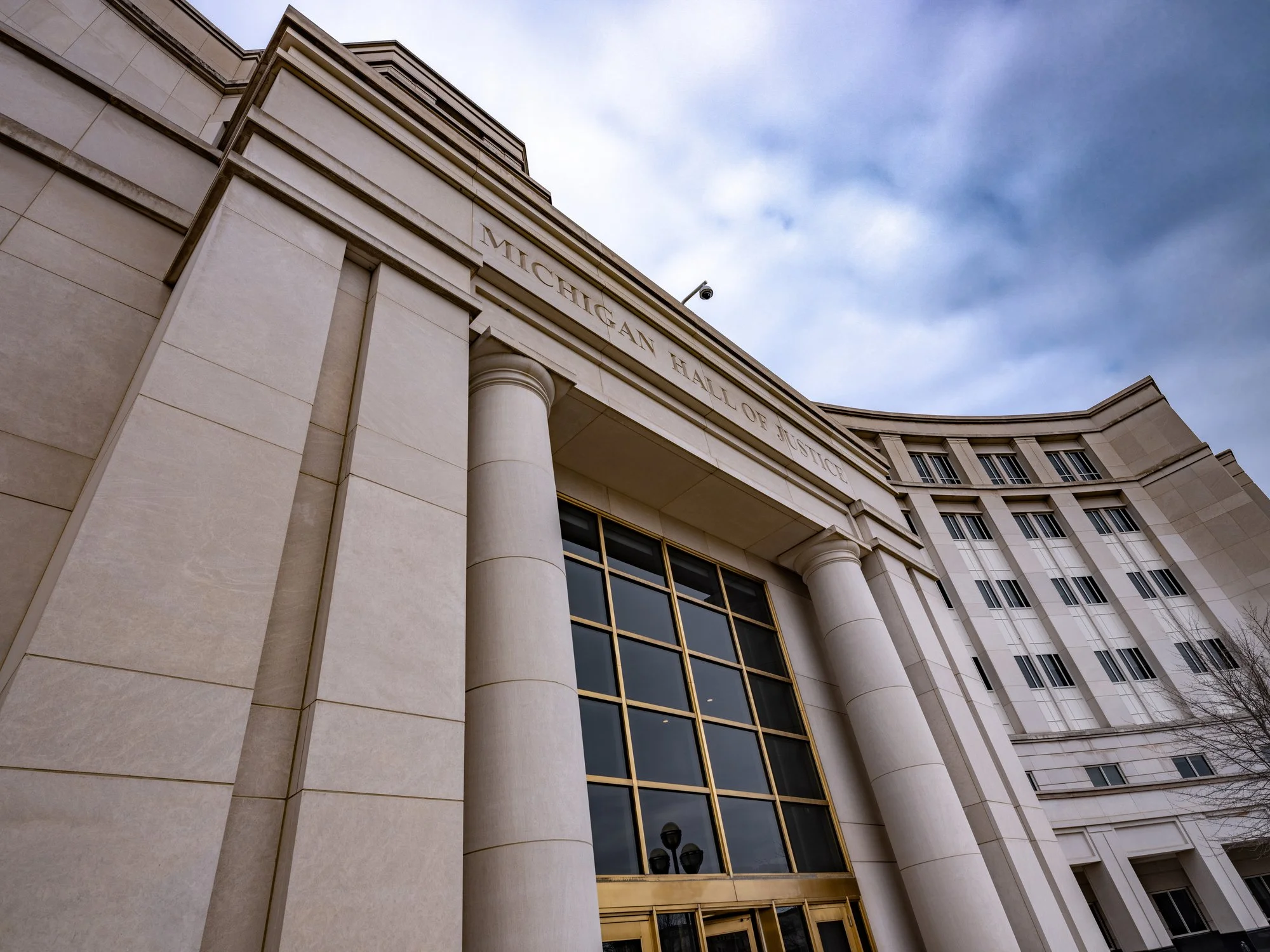










n a Michigan Supreme Court decision issued on July 27, 2026, Michigan Supreme Court considered whether the No-Fault Act’s medical provider fee schedules apply to third-party auto negligence claims. The Michigan Supreme Court answered in the negative.
In Letvin v. The Village at Grand Traverse Commons Condominium Association, the Michigan Court of Appeals recently ruled that short-term rental guests of a condominium unit owner must be considered as business invitees of the condominium association, thus clearing the way for the short-term rental guests to sustain a cause of action against a condo association for personal injuries sustained while on the property.
The Michigan Court of Appeals has ruled that a truck driver was improperly classified as an independent contractor in a No-Fault insurance priority dispute. This required a reversal of summary disposition granted in favor of the insurance company.
In a unanimous 26-page opinion filed by the Michigan Supreme Court in Smith v. Beaumont Health, the Michigan Supreme Court addressed the standard for filing an Amended Witness List. In this case, the Trial Court denied Plaintiff’s motion to file an amended witness list after Plaintiff’s medical expert became unavailable
A recent Michigan Court of Appeals Opinion affirmed a trial court’s decision denying plaintiff’s motion for new trial or evidentiary hearing partly because plaintiff’s counsel repeatedly relied upon fabricated and unsupported legal authority which was generated by AI.
The Michigan Court of Appeals has ruled that a person was not entitled to recover personal protection insurance (PIP) benefits where the PIP claimant was driving a vehicle which she took without permission of the vehicle owner.
Insurance companies are very adept at documenting the information provided when a policy is purchased. They record calls and maintain the application for insurance. They generally do not research whether the information provided by the insured is accurate until after a claim is filed. If an insurance company determines that materially false representations were made when the policy was purchased, it has an option known as “rescission.” This action cancels the insurance policy and permits the insurance company to reject any claims made under the policy.
When a motorcyclist is injured in an accident involving a motor vehicle, the motorcyclist obtains personal injury protection (PIP) benefits according to the order of priority specified under MCL 500.3114 (5). First in the order of priority to pay is the insurer of the owner or registrant of the motor vehicle involved in the accident. Next is the insurer of the operator of the motor vehicle involved in the accident. Next is the motorcyclist’s own insurance, and so on down the line. But what happens if the PIP benefits available from the first- in- priority insurer are exhausted?
Plaintiff brought a premises liability lawsuit against a grocery store for negligence after suffering from a slip-and-fall over some spilled bleach. Plaintiff alleged the spill had been there for six minutes and the employees had been aware of it, but failed to act.
Often during the course of civil litigation, it is important to obtain information which is commonly recorded by cellphone providers. Cellphone records are particularly helpful to determine whether an individual was driving distracted at the time of a motor vehicle accident. However, there are many impediments to obtaining cellphone records.